
Best DJ Music Genres – Practical Guidance for UK DJs and Music Lovers
Understanding DJ Music Genres
When you hear the term “DJ music genres”, you’re really talking about the musical styles that shape a crowd’s energy on the dance floor. Each genre has its own tempo, rhythm patterns, and cultural background, which influences how a DJ builds a set and connects with the audience.
For a UK audience, the most common expectations revolve around familiarity with local club culture, festival line‑ups, and streaming platforms that cater to British tastes. Knowing the defining characteristics of each genre helps you decide what fits your personal workflow, venue size, and the vibe you aim to create.
Top 8 Genres Every DJ Should Know
The following list captures the genres that dominate UK clubs, festivals and online playlists. Each entry outlines the key features, typical BPM range and common use cases.
- House – Smooth four‑on‑the‑floor beats, 118‑125 BPM. Ideal for warm‑up sets and late‑night grooves.
- Techno – Darker synths, 125‑135 BPM. Best for peak‑time intensity and underground venues.
- Drum & Bass – Fast breakbeats, 170‑180 BPM. Perfect for high‑energy moments and rave culture.
- UK Garage – Shuffling rhythms, 130‑138 BPM. Favoured in club nights that blend R&B vocal cuts with dancefloor drive.
- Deep House – Mellow basslines, 120‑125 BPM. Works well for chill‑out zones and sophisticated lounge settings.
- Hardstyle – Heavy kicks, 150 BPM. Suited to festival main stages and large‑scale events.
- Trance – Euphoric synth leads, 130‑138 BPM. Great for building emotional peaks during extended sets.
- Afro‑House – Percussive grooves, 120‑125 BPM. Growing in popularity across UK summer festivals and multicultural clubs.
These genres are not mutually exclusive – many successful DJs blend elements from two or more to keep their sets fresh and unpredictable.
How to Choose the Right Genre for Your Sets
Choosing a genre is less about personal preference and more about aligning with business needs, audience expectations and the technical setup of your performance. Consider the following decision‑making factors:
- Venue type – A small bar may respond better to deep house, whereas a warehouse raves thrives on techno or hardstyle.
- Audience demographics – Younger crowds at festivals often gravitate toward drum & bass and trance.
- Equipment compatibility – Some controllers and mixers have performance pads optimised for fast‑cutting genres like drum & bass.
- Personal workflow – If you prefer longer, evolving tracks, trance or progressive house may suit your style.
By mapping these criteria against the genre characteristics, you can create a playlist that feels both authentic and strategically sound.
Tools and Platforms for Accessing DJ Music
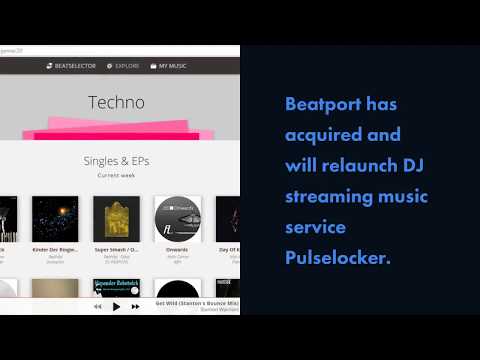
Modern DJs rely on streaming services, digital stores and specialised libraries to source tracks quickly. Platforms such as Beatport, Spotify for DJs and the newly‑acquired Pulselocker service (now part of Beatport) provide a dashboard that integrates directly with popular DJ software.
These services typically offer features like offline storage, curated playlists, and analytics that help you track which tracks perform best in different venues. Reliability and security are built into the subscription model, ensuring you have uninterrupted access during live gigs.
Pricing and Subscription Considerations
While many services provide a free tier, professional DJs often need the full catalogue and higher download limits offered by paid plans. Below is a quick comparison of typical pricing structures you’ll encounter.
| Service | Monthly Cost | Key Features | Best For |
|---|---|---|---|
| Beatport LINK | £14.99 | Unlimited streaming, DJ‑software integration, curated genre playlists | Professional club DJs |
| Spotify for DJs (Beta) | £9.99 | Large mainstream catalogue, easy playlist sharing, mobile app | Beginners and casual performers |
| Pulselocker (now Beatport) | £12.49 | High‑resolution audio, real‑time track preview, royalty‑free options | Producers and remix artists |
When evaluating pricing, also consider support quality – many premium tiers include dedicated account managers and priority technical assistance, which can be crucial when troubleshooting live‑performance issues.
Integration with DJ Software and Hardware
Most top‑tier platforms offer seamless integration with popular DJ applications such as Rekordbox, Serato DJ, Traktor and Virtual DJ. The integration typically works through an API that syncs your library, playlists and track metadata directly to the software’s dashboard.
When setting up, ensure your hardware firmware is up‑to‑date and that the software recognises the streaming service as a source. This reduces latency, improves reliability during performances and allows you to automate cue‑point loading, which streamlines your workflow.
Building a Versatile DJ Library – Practical Tips
Creating a library that covers multiple genres without becoming unwieldy requires a systematic approach. Follow these steps:
- Start with a core collection of 50‑80 tracks per genre that you know well.
- Use the platform’s recommendation engine to discover emerging releases that match your existing style.
- Tag each track with mood, energy level and key – this supports harmonic mixing and quick set‑building.
- Regularly purge tracks that no longer receive positive crowd responses; keep the library lean and relevant.
- Backup your playlists to a cloud service for redundancy and easy access on multiple devices.
By treating your library as a living asset, you’ll be able to adapt to different business needs, from intimate lounge gigs to large festival slots.
Frequently Asked Questions
Do I need to specialise in a single genre?
No. While some DJs become known for a signature sound, many successful performers cultivate a versatile repertoire that allows them to read and react to diverse crowds.
How important is BPM matching?
BPM matching is a useful technique for smooth transitions, but modern software can automatically sync tracks, letting you focus on creative phrasing and energy management.
Where can I find reliable royalty‑free tracks?
Platforms that partner with independent labels often provide royalty‑free or cleared‑for‑public‑performance options. Check the licensing details before adding them to a commercial set.
For a comprehensive catalogue of tracks across all these genres, explore the best dj music portal.